

How to Choose the Best Sunscreen for Indian Skin
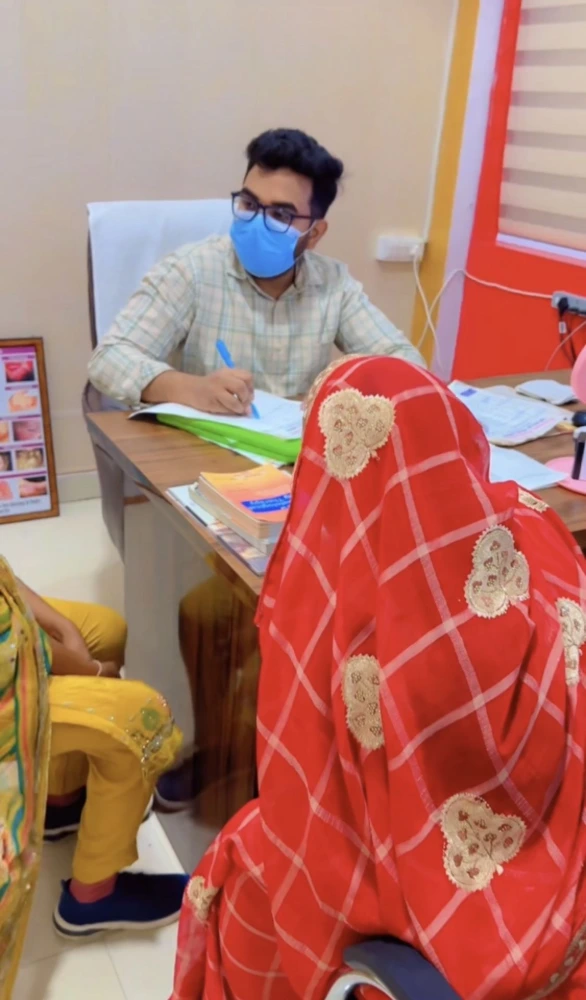
If there is one skincare product that Dr. Usama Siddiqui recommends to almost every patient at Korean Skin Clinic, Raebareli, it is sunscreen.
Whether you are dealing with:
- Pigmentation
- Melasma
- Acne marks
- Tanning
- Premature aging
- Uneven skin tone
daily sunscreen use is one of the most important steps you can take to protect your skin.
Yet many people are confused about:
- Which SPF to choose?
- What does PA+++ mean?
- Is sunscreen necessary indoors?
- Is sunscreen needed during winter?
- Which sunscreen is best for oily skin?
This guide answers these common questions and helps you choose the right sunscreen for Indian skin.
Why Is Sunscreen So Important?
Sunlight contains ultraviolet (UV) radiation that can damage the skin.
Excess UV exposure may contribute to:
- Pigmentation
- Melasma
- Tanning
- Acne marks becoming darker
- Fine lines and wrinkles
- Uneven skin tone
- Premature skin aging
Many patients spend thousands on treatments while overlooking the most important protective step: sunscreen.
What Does SPF Mean?
SPF stands for:
Sun Protection Factor
SPF primarily measures protection against UVB rays, which are responsible for sunburn.
General Guide
- SPF 15 = Basic protection
- SPF 30 = Good protection
- SPF 50 = High protection
For most Indian patients, SPF 50 is generally preferred for daily use.
What Does PA+++ Mean?
Many people focus only on SPF and ignore the PA rating.
PA measures protection against UVA rays.
UVA rays contribute to:
- Pigmentation
- Melasma
- Photoaging
- Skin damage
PA Rating Scale
- PA+
- PA++
- PA+++
- PA++++
Higher ratings indicate stronger UVA protection.
Dr. Usama Siddiqui's Recommendation
For Indian skin, choose sunscreen with:
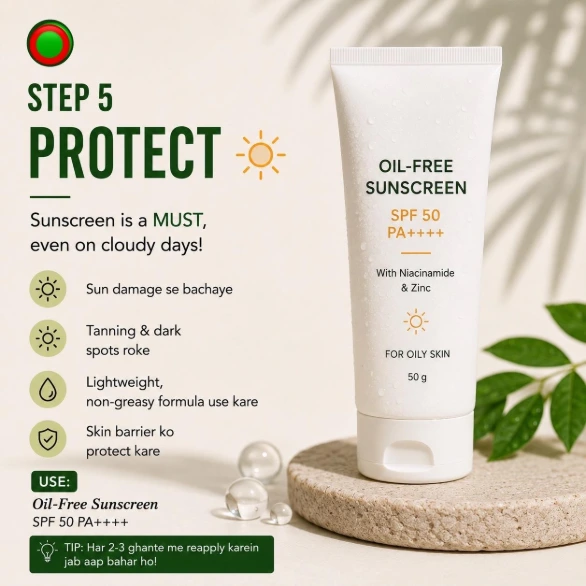
SPF 50 + PA+++ or PA++++
whenever possible.
Types of Sunscreens
1. Gel Sunscreens
Best for:
- Oily skin
- Acne-prone skin
- Humid climates
Benefits:
- Lightweight
- Non-greasy
- Comfortable to wear
2. Cream Sunscreens
Best for:
- Dry skin
- Mature skin
Benefits:
- Better moisturization
- Comfortable for dry skin types
3. Hybrid Sunscreens
Combine multiple technologies and are suitable for many skin types.
Which Sunscreen Is Best for Oily Skin?
Patients with oily skin often avoid sunscreen because they fear breakouts.
However, skipping sunscreen can worsen pigmentation and acne marks.
For oily skin, look for:
✅ Lightweight texture
✅ Non-greasy finish
✅ Gel-based formulation
✅ Non-comedogenic products
Which Sunscreen Is Best for Dry Skin?
For dry skin, choose products that provide:
- Hydration
- Moisturization
- Broad-spectrum protection
Cream-based formulations are often preferred.
Is Sunscreen Necessary Indoors?
This is one of the most common myths.
The Answer Is Yes
You may still be exposed to:
- Sunlight through windows
- Incidental sun exposure
- UVA radiation
Patients with melasma and pigmentation should be particularly consistent.
Is Sunscreen Necessary During Winter?
Absolutely
UV radiation is present throughout the year.
Pigmentation can worsen even during cooler months.
Sunscreen should be used daily regardless of season.
How Much Sunscreen Should You Apply?
Many people apply far less than recommended.
A useful guideline is:
Two Finger Rule
Apply sunscreen along the length of two fingers for the face and neck.
This helps achieve more adequate coverage.
When Should You Apply Sunscreen?
Apply sunscreen:
15–20 Minutes Before Sun Exposure
This allows proper formation of the protective layer.
How Often Should Sunscreen Be Reapplied?
Reapplication may be necessary depending on:
- Sweating
- Outdoor exposure
- Washing the face
Individuals spending prolonged time outdoors generally require more frequent reapplication.
Common Sunscreen Mistakes
Mistake #1: Applying Too Little
One of the most common errors.
Mistake #2: Using Sunscreen Only During Summer
Protection is needed year-round.
Mistake #3: Skipping Reapplication
Especially during prolonged outdoor activities.
Mistake #4: Using Expired Sunscreen
Expired products may provide inadequate protection.
Mistake #5: Relying Only on Makeup SPF
Dedicated sunscreen remains important.
Sunscreen and Melasma
At Korean Skin Clinic, many patients with melasma improve significantly when sunscreen use becomes consistent.
Expert Advice from Dr. Usama Siddiqui
"For patients with melasma, sunscreen is often more important than any procedure we perform. Without proper sun protection, pigmentation tends to return."
Sunscreen and Acne Marks
Post-acne pigmentation often becomes darker with sun exposure.
Daily sunscreen use can help:
- Prevent worsening pigmentation
- Support treatment outcomes
- Improve overall skin tone
Sunscreen and Anti-Aging
Long-term sunscreen use may help reduce:
- Fine lines
- Uneven pigmentation
- Premature aging
It remains one of the most effective anti-aging habits available.
How Dr. Usama Siddiqui Selects Sunscreens for Patients
At Korean Skin Clinic, sunscreen recommendations are individualized based on:
- Skin type
- Acne tendency
- Pigmentation concerns
- Lifestyle
- Outdoor exposure
There is no single sunscreen that is perfect for everyone.
Frequently Asked Questions
Which SPF is best for Indian skin?
SPF 50 is commonly recommended for many Indian patients.
Is PA+++ important?
Yes. PA rating indicates UVA protection, which is important for pigmentation and aging.
Can sunscreen prevent tanning?
Consistent use can help reduce sun-induced tanning.
Is sunscreen necessary indoors?
Yes, especially for individuals with pigmentation concerns.
Can oily skin use sunscreen?
Absolutely. Lightweight gel-based options are often suitable.
Why Patients Trust Dr. Usama Siddiqui for Skin Care Guidance
Patients visit Dr. Usama Siddiqui for:
- Pigmentation Treatment
- Melasma Treatment
- Acne Scar Treatment
- Skin Brightening Programs
- Chemical Peels
- Laser Treatments
At Korean Skin Clinic, treatment plans include both clinic procedures and evidence-based skincare recommendations.
About Dr. Usama Siddiqui
Dr. Usama Siddiqui is the founder of Korean Skin Clinic, Raebareli, providing advanced skin, hair, laser, and aesthetic treatments.
His areas of interest include:
- Pigmentation Treatment
- Melasma Management
- Acne Scar Treatment
- PRP Therapy
- GFC Hair Treatment
- Laser Hair Removal
- Skin Rejuvenation
Book a Skin Consultation
If you are struggling with melasma, dark patches, or facial pigmentation, consult Dr. Usama Siddiqui at Korean Skin Clinic, Raebareli for a personalized treatment plan.
Korean Skin Clinic
848-A Mahiraj Plaza, Civil Lines, Manika Road, Raebareli – 229001
Explore our related services:
Melasma Treatment in Raebareli
Pigmentation Treatment in Raebareli
Skin evaluation by Dr. Usama Siddiqui
Author
Founder, Korean Skin Clinic, Raebareli
Reviewed by Dr. Usama Siddiqui
This article has been medically reviewed by Dr. Usama Siddiqui, founder of Korean Skin Clinic, Raebareli, who regularly treats patients with pigmentation, melasma, acne, sun damage, and skin aging concerns.