
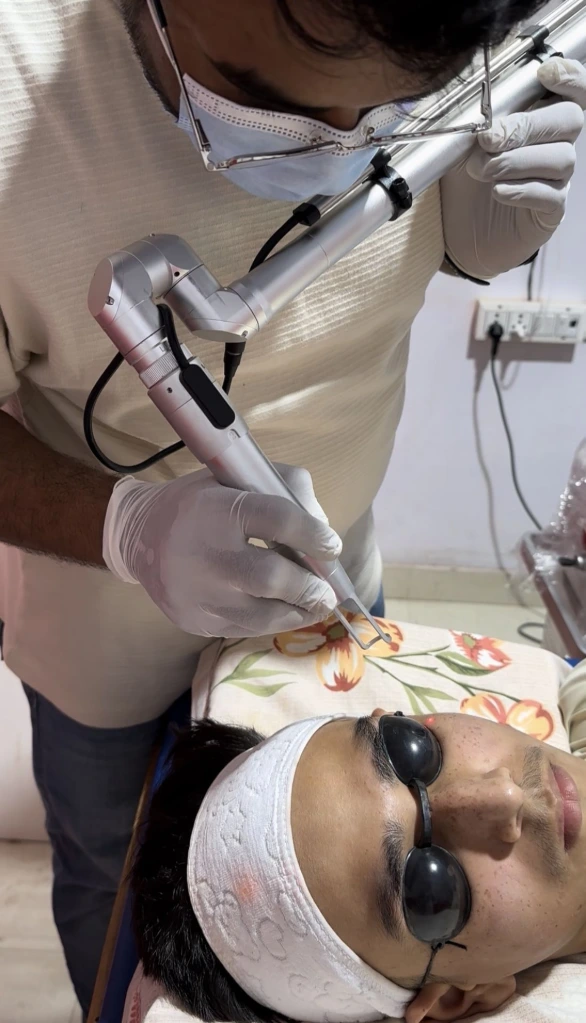
Melasma Treatment: Causes & Solutions
Have you noticed brown or grayish patches appearing on your cheeks, forehead, upper lip, or nose that seem impossible to remove?
You may be dealing with melasma, one of the most common pigmentation disorders seen in dermatology clinics.
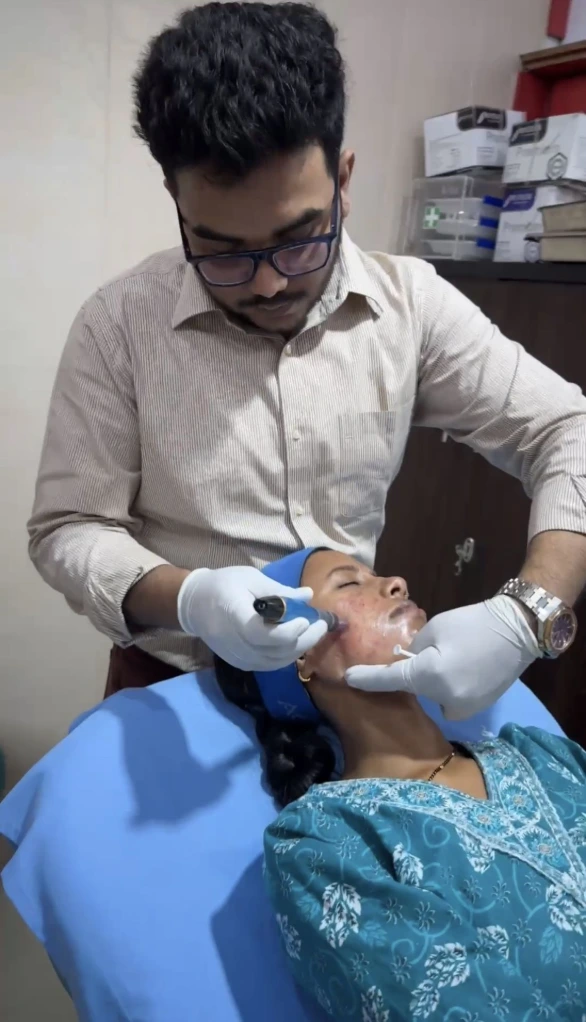
At Korean Skin Clinic, Raebareli, melasma is among the most frequent concerns treated by Dr. Usama Siddiqui. Many patients arrive after trying numerous creams and home remedies with little improvement.
The good news is that melasma can often be managed effectively with the right diagnosis, treatment plan, and long-term skin care strategy.
What is Melasma?
Melasma is a pigmentation disorder that causes symmetrical brown, gray, or dark patches on the skin.
It most commonly affects:
- Cheeks
- Forehead
- Upper lip
- Nose
- Chin
The condition occurs when skin cells produce excessive melanin, resulting in visible discoloration.
Unlike ordinary tanning, melasma often persists for months or years if not managed properly.
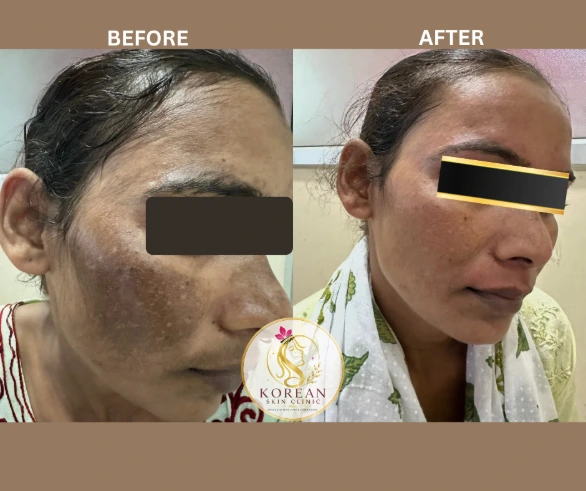
What Does Melasma Look Like?
Typical signs include:
✅ Brown patches on both cheeks
✅ Darkening above the upper lip
✅ Forehead pigmentation
✅ Symmetrical facial pigmentation
✅ Pigmentation that worsens with sun exposure
Many patients initially believe it is dirt, tanning, or allergy-related pigmentation.
What Causes Melasma?
Melasma usually develops due to a combination of factors.
1. Sun Exposure
Sunlight is one of the strongest triggers.
Ultraviolet (UV) radiation stimulates melanin production and can worsen existing pigmentation.
Expert Insight
"Many patients spend significant money on treatment but underestimate the importance of daily sunscreen use."
— Dr. Usama Siddiqui
2. Hormonal Changes
Hormonal fluctuations frequently contribute to melasma.
This is why melasma is common during:
- Pregnancy
- Hormonal therapy
- Certain hormonal disorders
The condition is sometimes called the "mask of pregnancy."
3. Genetic Predisposition
If family members have melasma, your risk may be higher.
Genetics plays an important role in pigmentation tendencies.
4. Heat Exposure
Many patients are surprised to learn that heat itself may aggravate melasma.
Sources include:
- Cooking
- Hot environments
- Outdoor work
- Excessive sun exposure
5. Skin Irritation
Improper use of skincare products may worsen pigmentation.
Examples include:
- Harsh scrubs
- Irritating creams
- Excessive exfoliation
Why is Melasma So Difficult to Treat?
Melasma is often chronic.
This means:
- It can improve
- It can recur
- Maintenance is usually necessary
Unlike simple tanning, melasma involves deeper pigment activity and often requires long-term management.
According to Dr. Usama Siddiqui, successful treatment focuses not only on removing pigment but also preventing recurrence.
Types of Melasma
Melasma can occur at different depths within the skin.
Epidermal Melasma
Pigment is located closer to the skin surface.
Generally responds better to treatment.
Dermal Melasma
Pigment lies deeper within the skin.
May require more prolonged management.
Mixed Melasma
Contains both superficial and deep pigmentation.
This is quite common in clinical practice.
Best Treatment Options for Melasma
The ideal treatment depends on the severity, duration, and depth of pigmentation.
1. Medical Depigmentation Therapy
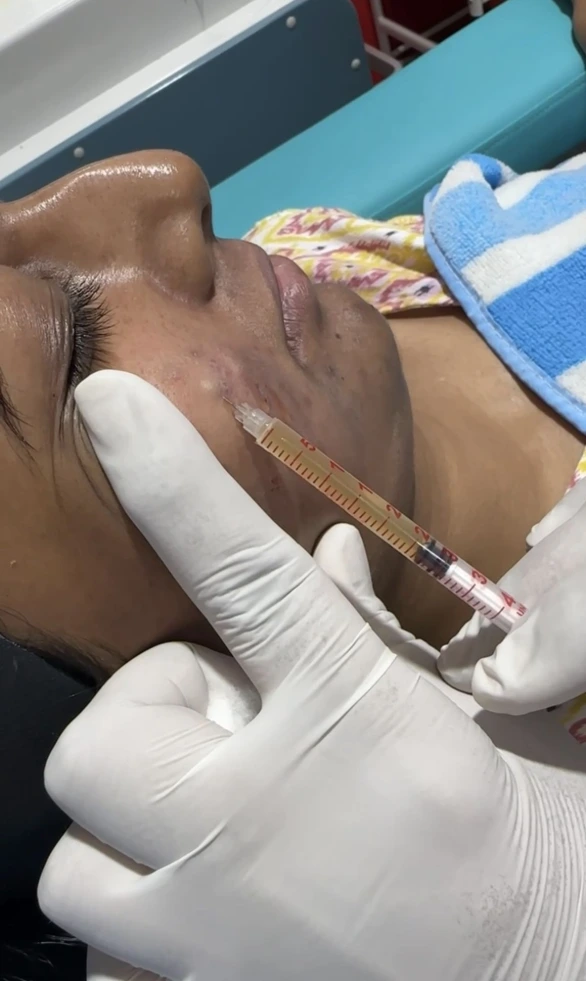
Prescription-based treatment plans may include carefully selected topical agents.
These therapies help:
- Reduce excess pigment
- Improve skin tone
- Control melanin production
Treatment selection should always be individualized.
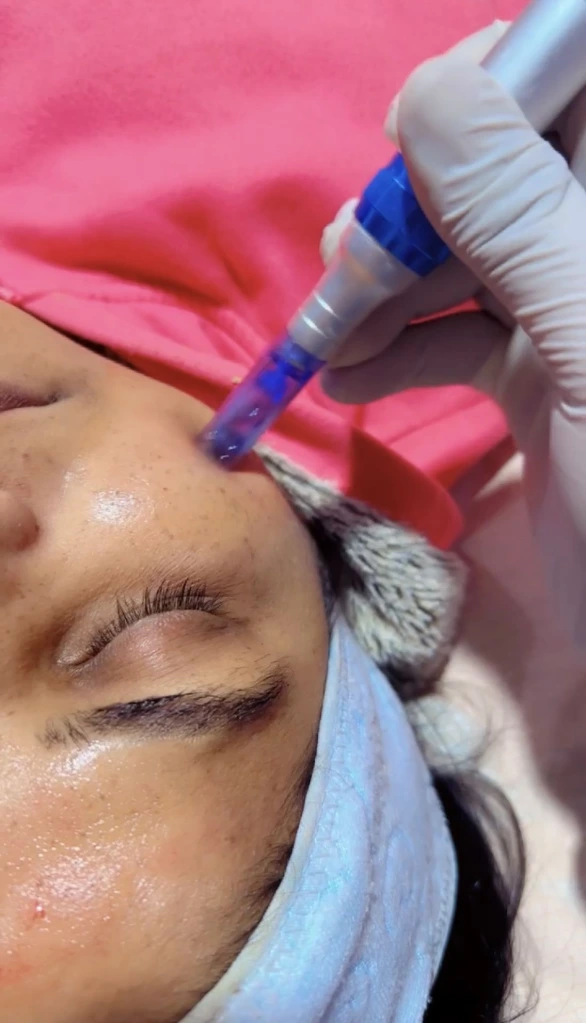
2. Chemical Peels
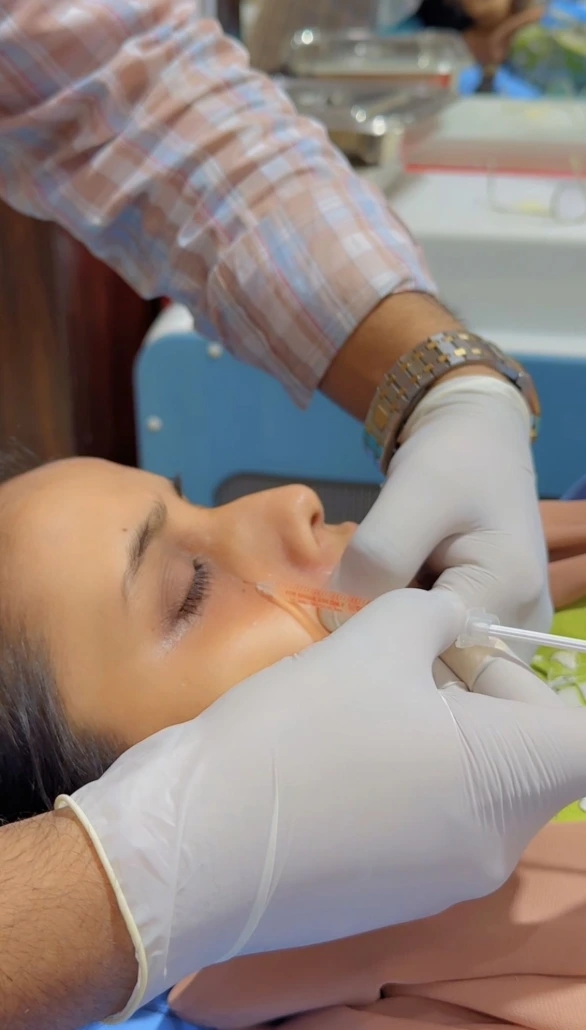
Chemical peels are commonly used for melasma management.
Benefits include:
- Improved skin brightness
- Better skin texture
- Reduction in superficial pigmentation
Multiple sessions may be required.
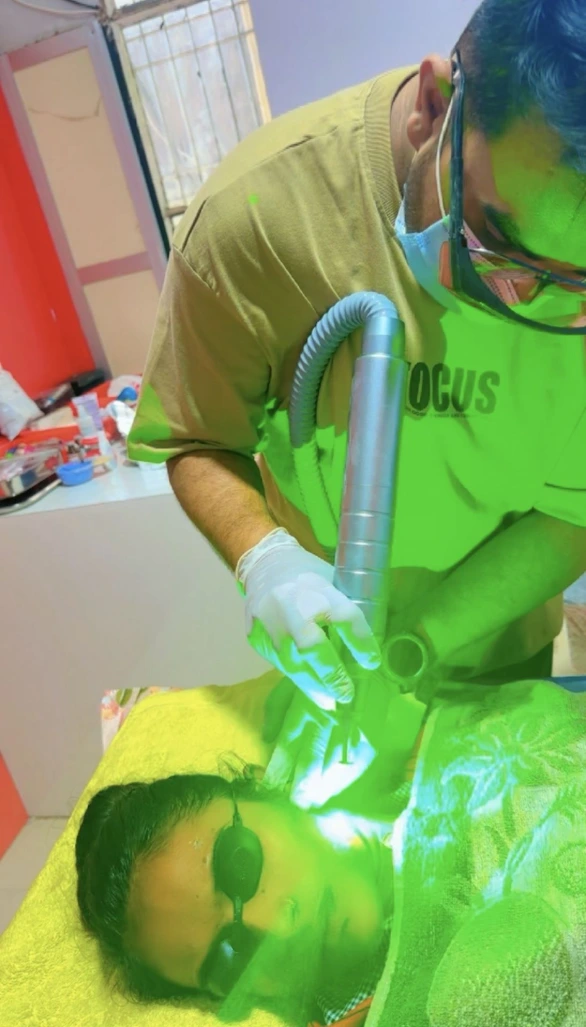
3. Laser Treatments
Selected patients may benefit from laser-based pigmentation treatments.
Potential benefits:
- Targeted pigment reduction
- Improved complexion
- Enhanced skin clarity
Not every melasma patient is an ideal laser candidate, which is why proper evaluation is important.
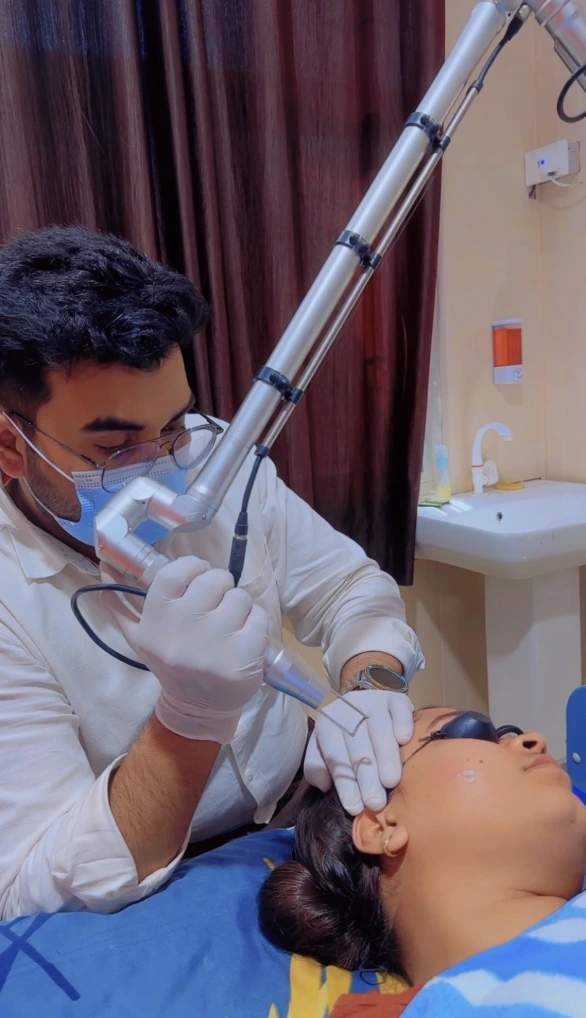
4. Carbon Laser Peel
Carbon laser peel may help:
- Improve skin brightness
- Reduce dullness
- Enhance overall complexion
It is often used as part of a broader pigmentation management strategy.
5. Customized Combination Therapy
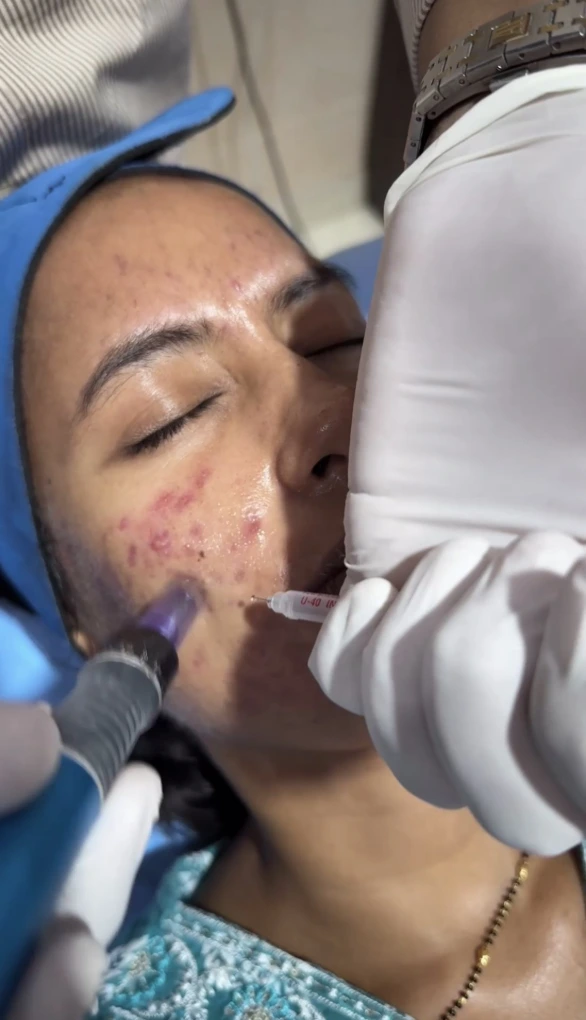
At Korean Skin Clinic, many patients achieve the best results through a combination approach.
This may include:
- Medical skincare
- Chemical peels
- Laser treatments
- Sunscreen protocols
Combination therapy often provides superior long-term outcomes.
The Most Important Treatment: Sunscreen
If there is one treatment every melasma patient needs, it is sunscreen.
Why?
Without sunscreen:
- Pigmentation returns faster
- Treatments become less effective
- Melasma worsens over time
Dr. Usama Siddiqui's Recommendation
"Daily sunscreen use is often more important than any procedure we perform in the clinic."
Patients should apply sunscreen every day, regardless of season.
Common Mistakes That Make Melasma Worse
Avoid:
Skipping Sunscreen
The most common mistake.
Self-Medicating
Using random creams can worsen pigmentation.
Frequent Scrubbing
Excessive exfoliation may irritate the skin.
Expecting Overnight Results
Melasma treatment requires patience and consistency.
How Long Does Melasma Treatment Take?
Every patient is different.
Many patients notice:
Initial Improvement
Within a few weeks.
Significant Improvement
Over several months.
Long-Term Control
Requires maintenance and sun protection.
Melasma management should be viewed as a journey rather than a quick fix.
Can Melasma Be Permanently Cured?
This is one of the most frequently asked questions.
The honest answer is:
Not Always
Melasma can often be significantly improved and controlled, but recurrence is possible.
The goal is long-term management and prevention of flare-ups.
Why Patients Choose Dr. Usama Siddiqui for Melasma Treatment
Patients visit Dr. Usama Siddiqui for:
- Melasma Treatment
- Pigmentation Evaluation
- Chemical Peels
- Carbon Laser Peel
- Skin Brightening Programs
- Personalized Pigmentation Management
At Korean Skin Clinic, treatment plans are tailored according to skin type, pigmentation depth, and individual goals.
About Dr. Usama Siddiqui
Dr. Usama Siddiqui is the founder of Korean Skin Clinic, Raebareli, providing advanced skin, hair, laser, and aesthetic treatments.
His clinical interests include:
- Melasma Treatment
- Pigmentation Treatment
- Acne Scar Treatment
- PRP Therapy
- GFC Hair Treatment
- Laser Hair Removal
- Skin Rejuvenation
Frequently Asked Questions
Is melasma permanent?
Melasma can often be controlled effectively, but recurrence is possible.
Does sunscreen help melasma?
Yes. Sunscreen is one of the most important parts of treatment.
Can chemical peels improve melasma?
Selected patients may benefit from chemical peel treatments as part of a comprehensive plan.
Is laser treatment suitable for melasma?
Some patients may benefit from laser therapy, but proper evaluation is necessary.
Why does melasma return?
Sun exposure, hormones, heat, and inconsistent maintenance can contribute to recurrence.
Book a Pigmentation Consultation
If you are struggling with melasma, dark patches, or facial pigmentation, consult Dr. Usama Siddiqui at Korean Skin Clinic, Raebareli for a personalized treatment plan.
Korean Skin Clinic
848-A Mahiraj Plaza, Civil Lines, Manika Road, Raebareli – 229001
Explore our related services:
Acne Scar Treatment in Raebareli
Pigmentation Treatment in Raebareli
Skin evaluation by Dr. Usama Siddiqui
Author
Founder, Korean Skin Clinic, Raebareli
Reviewed by Dr. Usama Siddiqui
This article has been medically reviewed by Dr. Usama Siddiqui, founder of Korean Skin Clinic, Raebareli, who regularly treats patients with melasma, pigmentation, tanning, and uneven skin tone.